Grain-Free vs Grains Cat Food: Which is Better?

Updated: Aug 29
*As an Amazon Associate I earn from qualifying purchases at no cost to you.
In this article:
It’s hard to know what to feed cats at the best of times, and with so much controversy surrounding both grain-inclusive and grain-free diets in recent years, what's actually best for the carnivorous kitty?
Well, perhaps the answer lies in the question!
It's highly concerning when pet food manufacturers give us conflicting information, so we must take a deeper dive into cat food ingredients and what research has shown us. Studies carried out or financed by pet food companies are designed to market their own products and could be described as biased.
If you've read this article on the truth about commercial cat food, you might decide to ditch it altogether and work a fresh food diet into your budget. After all, isn't the best nourishment for cats what nature intended?
Cats are not humans, but when we look at the human diet, the consequences of modern processing methods and convenience foods are plain to see. There's no denying the benefits of a balanced diet containing plenty of fresh fruit and vegetables on weight, diabetes and other health conditions. The same could be said for cats, whose short digestive tracts are designed to process animal protein quickly and efficiently.
For a lot of owners, commercial pet food is more affordable and attainable - which I can understand and resonate with. However, feeding an obligate carnivore the equivalent to breakfast cereal is unacceptable.

Why Are Grains Used in Cat Food?
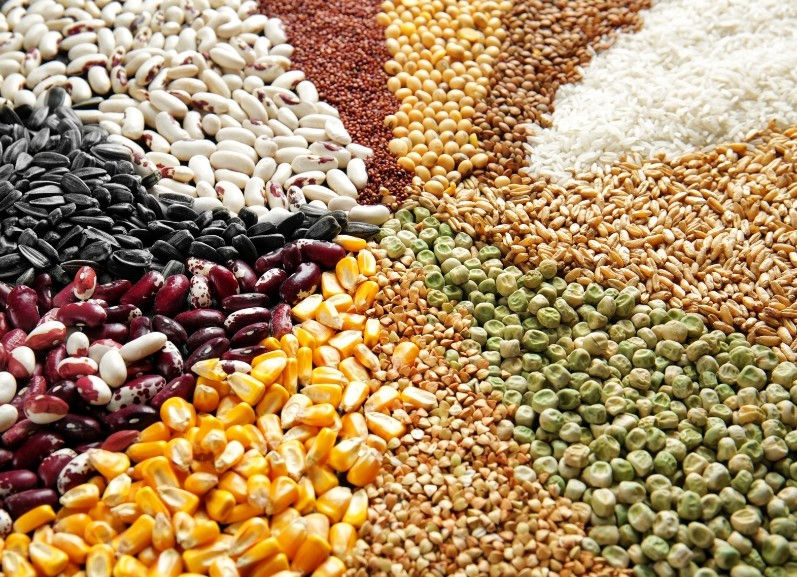
Common grains found in cat food include wheat, corn, barley, oats and rice. They're also referred to as cereals and can either be refined or whole grain.
Refined grains are ground and heated in the manufacturing process to remove the bran and germ, which loses most of the fibre, vitamins and minerals. This leaves behind the endosperm, which contains the starch that's necessary for binding ingredients together in order to produce kibble. Refined grains are more digestible but less nutritious than whole grains like brown rice and whole grain oats.
You've probably heard the term "fillers" in relation to grains, and while that's true in a sense, they also contain carbohydrates that cats use as an energy source in the form of glucose. The main type of carbohydrates used in cat food is starch which, as mentioned, is necessary for making kibble. Starch is more easily digested by cats than sugar, and fibre is beneficial for aiding digestive transit.

A cat's natural diet in the wild would typically consist of 1-2% carbohydrates, which they'd consume from prey. Since they're able to synthesise their own glucose in the liver, the bulk of their natural diet is animal protein from meat, organs and muscle tissue.
To put this into perspective, dry cat foods contain around 30-40% carbohydrates - sometimes as much as 50% - hence why they're known as fillers. In simple terms, grains are used to provide energy as a cheap substitute for animal protein. Which begs the question, why are certain mainstream premium brands so expensive?
Learn more about the effects of carbohydrates here: Cats and Carbohydrates: Is Dry Cat Food Bad for Cats?
Another ingredient you might have seen on a cat food label is gluten, which is found in certain grains like wheat, rye and barley. Gluten is a protein that acts as a binder to help foods maintain their shape. Wheat gluten or corn gluten meal is a common addition to dry cat food, since it boosts the total protein levels and makes the food look more species-appropriate. All grain-free cat food is gluten-free by default.
Grain-free diets for cats and dogs were initially marketed as a solution for potential food allergies, particularly food containing gluten. Such allergies lead to disorders involving the gastrointestinal, nervous and skin systems.
What Are Grain-Free Diets?
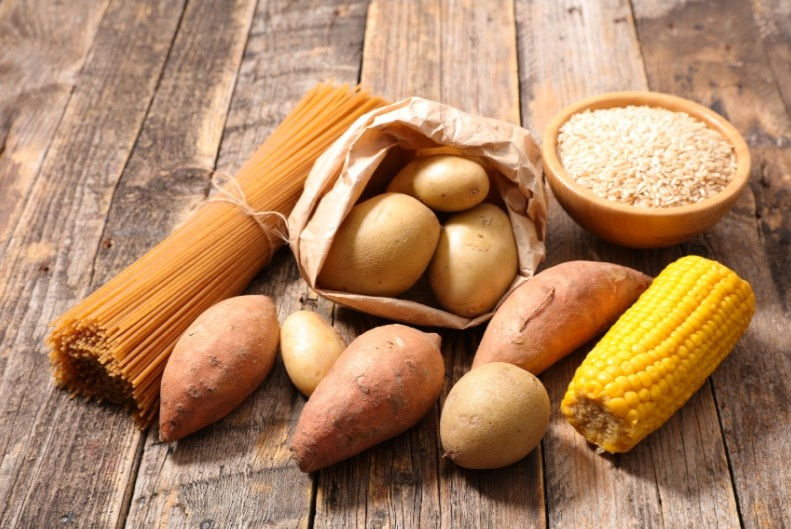
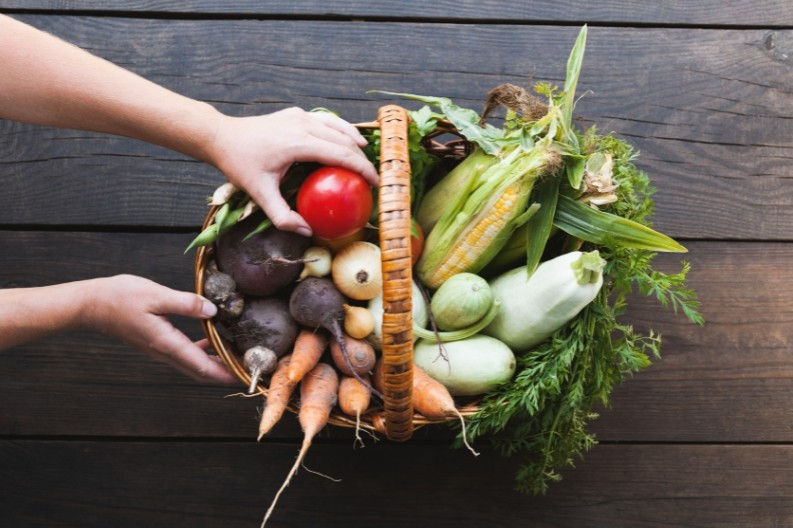
Grain-free diets are exactly that: food that doesn't contain any grains. When grains are removed, they must be replaced with an alternative energy source. Ideally, we'd want to see more animal protein but that's rarely the case. Most grain-free foods are made with vegetables like potatoes, carrots, peas; lentils or chickpeas. This means they contain as much, if not more carbohydrates than grains.
Potato protein and pea protein are common additions to grain-free cat food, which similar to gluten, increases the overall protein content. We often don't know how much protein comes from animals vs plants, so a transparent ingredients list is essential for choosing a species-appropriate, high-quality cat food.
A good indicator of high amounts of grains or vegetables is to look at the carbohydrate content of food, which isn't always labelled. With a few simple calculations, we can get past this obstacle: How to Calculate Carbohydrates in Cat Food and Understanding Dry Matter Basis

Grains vs Grain-Free Cat Food
If you’re trying to reduce your cat's carbohydrate intake, you likely won't achieve this by going grain-free - and they probably won't shed any extra pounds, since food is often higher in calories (but not always). This can be managed by feeding the correct portion sizes.
Learn more in this post: How Many Calories Does My Cat Need?
However, there are other reasons why you might want to exclude grains from your cat's diet, which will be explored below.
Inflammation
Refined grains are heated at high temperatures, causing the destruction of vital nutrients. After which, food is heated again to make the dough for kibble or cooking wet food. Seed oils are high in polyunsaturated fat, which when heated repeatedly under high temperatures, can cause oxidative stress. This leads to chronic inflammation and lifelong diseases.
 thrive PremiumPlus Chicken Complete Dry Cat Food is made with 90% chicken, including fresh chicken; sweet potato and potato. The grain-free food is high in animal protein and low in carbohydrates with no artificial additives. |
Bladder Stones
Whole grains tend to be high in magnesium and phosphorus, which can contribute to bladder stones. Corn too has been linked to inflammation of the bladder and urinary tract in cats. Studies show that the high-cereal content in pet food is a contributing factor for cats and dogs developing bladder stones.
It's worth paying particular attention to corn, as one of the most commonly used fillers in cat food. According to the FDA, 92% of corn planted in the USA during 2020 was genetically modified. If you think you're safe because you live elsewhere in the world, you might want to check where your preferred pet food brand gets their ingredients from.
Diabetes
Refined grains typically have a higher GI than whole grains, which raises blood sugars quickly and can eventually contribute to cats developing diabetes. The long-term effects of carbohydrates on a cat's blood sugar, weight and overall health needs further investigating. In the meantime, whole grains like brown rice are considered low-GI as they contain more fibre and minerals that slow down digestion.
Of course, the relationship between carbohydrates and conditions like diabetes and obesity are frequently denied by pet food companies. The digestibility of cooked starch is reported to be 40-100% in cats, but we still know nothing about the long-term effects on a cat's health or lifespan. Given the overabundance of prescription food on the shelves, it doesn't bode well for the future of the domestic feline.
I'll leave you with these eye-opening articles by Dr Lisa Pierson, DVM, so you can make your own judgments:
Mycotoxins
Mycotoxins come from fungi or mould that grows on grains, nuts and dried fruits before or after harvesting. They're less commonly associated with vegetables, although they can still effect root veg in particular. Mycotoxins can cause gastrointestinal disorders; impair the immune and nervous systems; and lead to chronic diseases affecting internal organs such as the liver.
Vegetables in Cat Food
Vegetables are not without drawbacks but may help to prevent some of the issues mentioned above. Potatoes are the most common ingredient of grain-free cat foods; while these have a high GI, some brands use low-GI sweet potatoes as a "healthier" option.
As discussed, comprehensive studies on the long-term safety of these ingredients are yet to be published. There's been a lot of concern regarding grain-free diets following a report released by the FDA, which suggested that diets high in peas and potatoes may be associated with an increased risk of DCM (dilated cardiomyopathy, a disease of the heart muscle) in canines.
Interestingly, other studies have contradicted these findings. There's currently limited research investigating the association between grain-free diets and DCM in cats.

We know that many studies on grains and carbohydrates are backed by pet food manufacturers and focus more on digestibility than health implications. Just because cats are able to digest overly-processed junk doesn't make it any better for them than it is for humans. In fact, it can only be worse since cats are fed the same food on a daily basis with little variation.
However, it's important to remember than digestibility is influenced by other ingredients, as well as processing methods and the cat's overall health. For example, if your cat is prone to urinary tract infections or bladder stones, then cereal-based foods may cause more of a problem than they would for a normal cat.

Studies on Grain-Free Diets
An article published on the National Library of Medicine explores some interesting findings regarding the nutritional effects and health considerations of grain-free diets on cats and dogs. I highly recommend reading it yourself, but here are several results from studies that may contradict what you've been told.
Compared to starch sources composed primarily of corn and rice, potato starch has shown to enhance digestibility and food palpability.
High animal-protein, grain-free diets (in which 70% of the dietary protein is derived from animal sources) exhibited superior comprehensive digestibility.
Legumes such as peas contain higher concentrations of soluble fibre compared to grains, resulting in generally higher dietary fibre digestibility.
The most prevalent allergies in cats include dairy products, beef and fish. Amongst plant-based ingredients: corn, soybean, rice and barley.
Diets rich in legumes or sweet potatoes offer better control over blood sugar levels and insulin sensitivity.
Incorporating low-GI foods into the diet can effectively enhance indicators associated with cardiovascular disease risk reduction.

Are Grain-Free Foods Better for Cats?
If you've been asking yourself this question, you're one amongst millions of confused cat owners. Unfortunately, the answer isn't as simple or straightforward as we'd like.
Labelling food as "grain-free" may well be a marketing tactic to make it sound better or healthier than it is, but the same could be said for most cat foods. Yes, this includes "prescription" diets which, technically, don't require a prescription at all!
A lot of mainstream premium pet food brands use their name to sell their products at extortionate prices with clever advertising. Yet when you look at the ingredients - which are often as long as a child's Christmas list - it's mainly plant-based with a pathetic amount of dehydrated meat or meat meal. There are certain companies that advertise food as being grain-free even though it contains rice!
 Set of 3 cat food bowls made from quality, non-toxic melamine. Bowls have a shallow design and tilted angle to prevent whisker fatigue, with anti-skid silicone pads underneath. |
Taking all of the available research into account, there's no evidence to say that grain-free is "better" for cats in terms of species appropriateness. However, it could be considered a "safer" option if we look at the long-term health implications, digestibility and ingredient quality.
Perhaps more important than grains is the type of food you're feeding your cat. Some experts advise that a budget wet food is more species-appropriate than a premium dry food. This is because wet food is typically higher in protein, without relying on plant-based ingredients, as well as fulfilling a cat's hydration needs. This may reduce the risk of urinary tract disease, obesity and diabetes more efficiently than simply removing grains from the diet.
Are you considering switching your cat to a grain-free diet? Have you noticed any health benefits or do you think it's a marketing strategy? Share your thoughts in the comments.



Comments