How to Exercise Obese Cats for Weight Loss

Updated: Sep 24
*As an Amazon Associate I earn from qualifying purchases at no cost to you.

In this article:
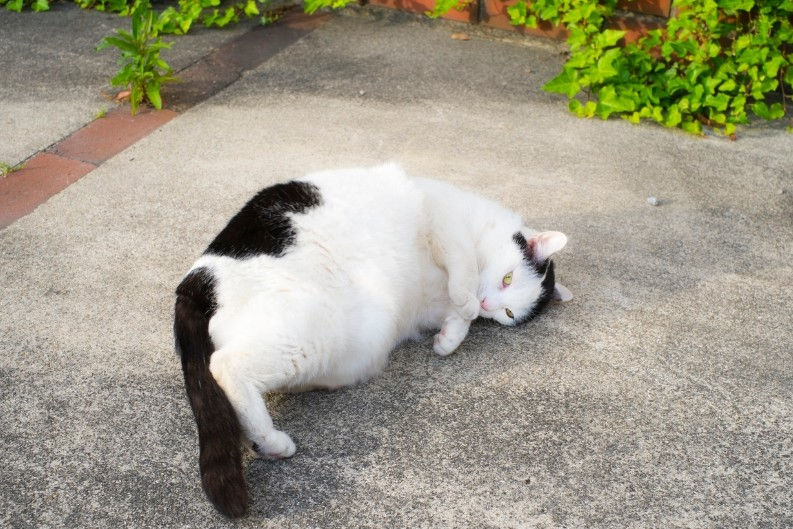
Obesity in cats is a growing concern, with up to 60% of cats being overweight according to the Association for Pet Obesity Prevention. The rise of indoor cats and poor quality food are contributing factors - think about it, when was the last time you saw a wild cat that was overweight?
Fat starts to accumulate around the internal organs of animals before being visible, which can seriously affect their health and quality of life. Conditions related to obesity include:
Diabetes.
Arthritis.
Heart disease.
Liver disease.
Cancer.
Behavioural problems like anxiety and aggression due to lack of stimulation.
When you see your cat every day, it's not always noticeable when they lose or gain weight. I've been in both of these situations, most recently with my chunky monkey, Simba. Restricting calorie intake must be done gradually and works best in combination with gentle exercise. Keeping a record of your cat's weight will help to keep an eye on any progress made.
 Spritool Pet Scale for small to medium pets under 30kg. Features advanced sensors for high accuracy and a hold button to lock in weight when your pet stops moving. Measures in kg, lb, oz and grams. |
How to Exercise an Obese Cat
Play
Exercising cats at home can be challenging at the best of times - even healthy ones aren't always interested in play. Obese cats may have limited mobility, low-energy levels and tire easily, so leaping three feet into the air after a feather wand might be difficult. The aim is to encourage movement in order to improve your cat's overall health and wellbeing.
Start with gentle exercise and increase activity over a number of play sessions as your cat builds up stamina and flexibility. Schedule short 5-minute sessions once or twice a day and monitor for signs of fatigue so you know when it's time to stop. Ideally, cats should get 30-45 minutes of playtime per day, broken up into 10-15 minute sessions to make use of their short bursts of energy.

Toys
Provide a variety of toys that stimulate hunting instincts and determine which your kitty responds to most, avoiding high jumps and bouts of sprinting to avoid exertion or injury.
Soft toys like mice or birds can be batted and grappled, and they're great for older cats with aching joints.
Feather wands and laser pointers can be used by moving the wand or laser slowly across the floor to guide them around the room, encouraging chasing and pouncing.
Balls or rolling toys have a similar effect, prompting cats to chase and bat.
Interactive toys can be left for cats to play with at their own leisure while you're away from home or at work. These are usually battery operated and have unpredictable motion patterns to keep cats engaged for longer.
Leave toys in different areas of the home to provide an engaging environment. You can use catnip or silvervine to stimulate playfulness and encourage interaction. Rotating toys regularly will help to keep your cat interested, and some respond well to new textures or sounds.
For more tips and advice, this post is essential reading: How to Play with Cats of All Ages: Motivation Tips and Tricks
 Mew & Friends Silvervine Powder is a more potent alternative to catnip that can be used to stimulate playful behaviour. Made from the fruit and stems of the Actinidia polygama plant, it's 100% natural and non-toxic for cats. |
Other Forms of Exercise
Add more levels to your home like shelving, cat trees or scratch posts for cats to climb up and down. If you have the space, you could invest in a pet exercise wheel!
Indoor cats can still benefit from a daily dose of fresh air if they're harness trained - just taking them on a stroll around the garden improves exercise and mobility.

Treats and Puzzle Feeders
Treats
Cutting treats out of an obese cat's diet sounds like a good option - in theory. Food is a powerful motivator and, with the right strategy, it can help a great deal with weight loss training. Treats do need to be limited with a cat that's overweight, as too many will defeat the purpose. Rather than offering them as rewards, you can use treats to encourage exploration by hiding them around the home. Cats will have to walk around to sniff them out.
Remember, treats should make up less than 10% of a cat's daily calorie intake. To make them last longer, try breaking them in half if they're big enough. You should stick to healthy, natural treats that are high in protein with minimal - ideally, zero - cereals, vegetables or other fillers.
I recommend single-ingredient, freeze-dried snacks like KatKin Salmon Nibbles or thrive 100% Chicken Treats. These are exactly what they say on the tin: 100% meat with minimal processing, just as nature intended.
You can also make your own healthy treats using recipes from reputable websites. This way, you know exactly what ingredients are going into your cat's food.
 PetSafe Egg-Cersizer and SlimCat Dispenser Toys can be filled with treats or kibble that falls through the holes when batted around. Holes are adjustable to make it easier or more challenging. Toys help to slow down feeing and stimulate hunting instincts. |
Puzzle Feeders
Puzzle feeders like the Catstages Buggin' Out Puzzle & Play require your cat to work for their food by digging and foraging. While they're mainly used for treats, some parents use them instead of bowls to slow down eating and prevent vomiting that results from scoffing large amounts of food. Treat balls encourage cats to bat the feeder around so treats fall through the holes.
For wet food, pâté and the occasional treat like tuna, Bugalugs Licky Mats provide additional enrichment.

Food and Mealtimes
Scheduled mealtimes not only satisfy a cat's need for routine, but they make a great post-play reward. Your cat will learn to associate food with exercise, and you're not feeding them anything extra!
If your home has multiple storeys then you could create a food station on the upper floor so kitty has to climb the stairs. Alternatively, you can place their bowl on a cat tree or other elevated surface so it has to climb up for its meal - just make sure it's within reach to avoid frustration.
These approaches combine exercise with positive reinforcement, making the activity more enjoyable.
 PawHut Multi-Level Cat Tree with steps for pets to safely climb up and down. Great for kittens, seniors and keeping cats active. Includes sisal-wrapped scratching posts and a plush-covered perch. |
If you have multiple cats that share the same food and one is overweight, it can be difficult to manage their calorie intake. I encountered this issue shortly after putting Simba on his diet as he started eating Drax's food, which he'd previously ignored, out of hunger. Drax doesn't finish his meals in one go so I had to keep hiding the bowl, which can be inconvenient and not always possible if you're unable to monitor them all day.
Feeding cats in separate rooms is the easiest solution, which may work if there are no leftovers to scavenge. If your fat cat is unable to climb then you can feed the healthy cat on a table or other raised surface where it can't reach.
A little trick I picked up was to put Drax's food under the bed as there was a small gap that Simba couldn't fit through, but it only worked until he realised that he could squeeze in if he tried. He's by no means obese but not slender either, so this may be more effective with an extra fat cat. Another option is to cut a hole in a cardboard box that's large enough for the healthy cat but too small for the overweight cat.
If you're out of the house for long periods of time then you might want to invest in a microchip feeder like the Sure PetCare SureFeed Microchip Feeder. This only opens for authorised pets based on their microchip or RFID collar tag.
Standard automatic feeders are also useful for scheduling mealtimes when you're not at home.

Quality Nutrition
Maintaining a healthy weight doesn't rely on dieting and exercise alone. The best thing you can do for your cat is to eliminate dry food from its diet, since it's packed with carbohydrates like grains and vegetables. While so-called weight loss formulas may contain less fat, this is typically replaced with carbohydrates as an alternative energy source - which isn't much better for them. In some cases, cats may still lose weight but suffer other issues as a result of low animal protein.
Learn more in this post: Cats and Carbohydrates: Is Dry Cat Food Bad for Cats?
Wet food is more species appropriate, with higher moisture and meat contents, so cats are getting the hydration they need and fewer calories per portion. If your budget allows, you might consider investing in a fresh food company that best replicates a cat's natural diet. Alternatively, a premium cat food brand like Edgard & Cooper or Untamed provide a balance of quality and affordability.
 Edgard & Cooper Chunks in Sauce made with human-grade meat and gently cooked. Grain-free with no artificial colours, flavourings or preservatives. |
Whatever diet you opt for, you should avoid free feeding at all costs! If your cat is a grazer then it has no reason to work for its food, and the only exercise it gets is walking to and from its bowl. While your cat won't be happy with the change initially, set mealtimes and the correct portion sizes will help to create a healthier routine and allows you to keep an eye on their calorie intake.
If you're unsure what or how much to feed your cat, you can work with a vet or veterinary nutritionist to create a feeding plan that supports their activity levels and goals.
For more feeding tips, refer to these step-by-step guides:

Making a Weight Loss Plan
Helping an obese cat to shed its extra pounds takes time and persistence, much like people. Losing weight too quickly will do more harm than good as it can lead to fatty liver disease. This is caused by an excess of fat in the liver cells that typically follows a period of anorexia.
When a cat isn't getting enough energy from its food, the body breaks down stored fats that get processed by the liver. If the liver is unable to break down the fats quickly enough then it starts to build up, resulting in hepatic lipidosis (fatty liver disease). Since overweight cats carry more excess fat than normal cats, they're at a higher risk of liver disease.
Use the checklist below to make your weight loss plan, or make some notes to discuss at your next vet appointment.
Schedule playtime into your cat's daily routine, starting with a couple of 5-minute sessions and gradually increasing intensity and duration.
Plan mealtimes as a post-workout reward and to build a routine.
Use treats sparingly and to encourage movement by hiding around the home, on cat trees, furniture, etc.
Provide a variety of toys, climbing areas and scratchers to reduce boredom. Include a sprinkle of catnip if your cat is responsive.
Choose a quality high-protein, low-carb food (ideally fresh or wet food).
Measure portion sizes according to feeding instructions or your own calculations.
If necessary, make a plan with your vet.
Monitoring Progress
Be sure to keep track of your cat's activity levels and weight, noting the playtime duration and types of toys they respond to. Signs of improvement might include:
More willingness to play.
Longer play sessions.
Improved mobility.
Increased energy levels.
Weight loss or stabilisation.
If your cat is showing signs of pain or lethargy, or weight gain is sudden and unexplained, consult a vet so they can check for underlying health issues.
The most important thing to remember is that consistency is key. Weight loss should be slow, controlled and ideally under the supervision of a vet. A successful plan should include a combination of diet, exercise, stimulation and enrichment.
Your cat will certainly complain if it's used to having food whenever it wants, but the stricter you are, the faster they'll get used to their new routine - and you could be saving yourself a fortune in vet bills later down the line. It's an owner's responsibility to ensure that cats live a healthy life, which means saying no to extra portions and the overindulgence of snacks.
The overall aim should be preventing obesity before it has a chance to become an issue. Trust me when I say that it'll be harder for you than your kitty!
Mentioned Products
KatKin Salmon Nibbles
thrive 100% Chicken Treats
Sure Petcare SureFeed Microchip Feeder
Catstages Buggin' Out Puzzle & Play
Bugalugs Licky Mats
Do you have your own chunky monkey at home? Share your weight loss plan and let us know if any of these tips helped.


Comments