How to Keep Cats Safe and Calm During Fireworks

Updated: Aug 29
*As an Amazon Associate I earn from qualifying purchases at no cost to you.

While the world is out celebrating New Year, Bonfire Night and other special occasions, many cats and dogs are trapped in a living nightmare. Sudden bursts of loud noise akin to gunfire and bright flashes of light can be overwhelming to a cat's senses, leading to acute stress and related behaviours.
The RSPCA reports that between 2021 to 2024, they received over 14,000 responses to a survey on fireworks, each detailing the impact of fireworks on pets - many of which had devastatingly fearful reactions. Hyperventilation, refusal to eat and a suspected bladder blockage are just a few reports from cat owners.
A dog in my neighbourhood suffered a heart attack as a result of fireworks, and I suspect it's an issue that only pet owners will understand. Hopefully, this article gives a little more insight into the effect of fireworks on cats and how to reduce stress.

In this article:
Why Do Fireworks Cause Stress in Cats?
Senses
Cats have sensitive hearing with a range of around 48 Hz - 64,000 Hz, and even up to 85,000 Hz. This means they hear both low and high frequencies, up to three times higher than humans and four to five times further away. Is it any wonder they're left traumatised by the unpredictable bangs, booms, crackles and squeals of exploding fireworks?
We know they're harmless, but cats are creatures of instinct. Loud noises are one of many stimuli that can cause fear or stress-based reactions, and repeated exposure may lead to more chronic cases of stress, whereby the cat is triggered every time it hears a similar noise.

Fight-or-Flight
When a cat is frightened, it releases hormones that prepare the body for danger, also known as the fight-or-flight response. This is often overlooked, since we view cats more as formidable predators; but in the wild they're also prey to larger animals.
As a parent of the most skittish cats you could ever meet, I've seen my fair share of overdramatic reactions - a creaking floorboard or gust of wind can send them bolting from the room like a couple of furry rockets. This may come in useful when fleeing from a pack of wolves, but survival instinct is part of their genetic makeup.
As mentioned, this can potentially lead to much deeper behavioural issues like aggression. While this is more likely to happen over a longer period of time, it only takes one single incident for cats to lash out at each other - or people - during a heightened state of arousal.

Signs Your Cat Is Stressed
Stress or fear can be visible in a cat's body language or, more subtly, present in their behaviour. Every cat reacts differently, but there are some common things to look out for.
Physical:
Hunched, rigid posture.
Flattened or pinned back ears.
Fluffed up fur.
Rapid breathing or panting.
Shaking.
Drooling.
Hissing and growling.
Excessive meowing or yowling.
Immobility.
 Daintry Cat Calming Spray combines feline pheromones with the natural soothing properties of cedarwood to reduce stress and anxiety. Use around the home or spray onto carriers prior to travelling. |
Behavioural:
Involuntary peeing or pooping.
Urinating outside the litter tray.
Not eating or drinking.
Hiding and nervousness.
Being quiet or withdrawn.
Restlessness (like pacing).
Overgrooming.
These lists aren't extensive, and you can familiarise yourself with the signs and symptoms of feline stress in this dedicated post: Signs of Stress in Cats, Causes and Treatment

Preparing for Fireworks
Occasionally, fireworks are set off unexpectedly; but if you know there's an event coming up then it gives you a chance to take some precautions. You can also keep a diary, noting any special dates where there's likely to be celebrations.
Keep Cats Indoors
Prevent cats from going outside on the day or evening of fireworks by keeping doors and cat flaps closed. The last thing you want is to be sat up all night worrying about where they are and why they haven't come home. Frightened cats are more likely to run away and end up in dangerous situations, such as running across roads or getting lost.
Microchipping and ID Tags
If your cat is microchipped (which should be standard practice) or wears a collar and ID tag, ensure your details are up to date. These are the most reliable ways to help reunite with your cat in the event that it goes missing.

Don't Leave Pets Unattended
Try to be home on the day of festivities so cats aren't left alone, especially if you have multiple cats so you can monitor their behaviour.
Safe Places
If your cats have a favourite safe place that they withdraw to, make sure it's accessible during fireworks. This means not confining them to a single room - even if your intentions are good, it may cause additional panic if a cat feels trapped.
My boys are extremely sensitive to fireworks: Drax scarpers upstairs to hide under by bed, while Simba dives behind the sofa. If you have a new cat or kitten and aren't sure how they'll react to fireworks, this is even more reason to prepare in advance.

Creating a Safe Space
It might sound counterintuitive, but one of the best ways to help a frightened kitty is by providing a quiet area where they can retreat and leaving them be. This should be away from windows and doors to reduce noise and light exposure. Closing curtains and blinds may also help.
Here are some more tips for ensuring your cat feels as safe as possible:
Set up hiding places with used blankets or bedding. The familiar scent will help to create a comfortable and secure environment. You can introduce your cat beforehand by showing them or placing treats in the area so they'll remember it for later.
Provide upturned boxes, huts, tents or even a DIY den by draping a sheet over a coffee table. Cats often seek out dark enclosed spaces to hide from danger.
In addition to the above, cats naturally feel safer with height advantage: cat trees, shelves or the top of a wardrobe can all be utilised. The more choices they have, the better.
Place a litter tray next to their hiding place so they don't have to venture too far. If they don't come out for food, you can leave a bowl nearby too.
 The Cat Cube House is unique and versatile, made from easy to clean plastic material with a free mat. Can be attached to other cubes and reconfigured in many styles to create a fun and dynamic kitty playground. Available in multiple colours. |
A common question that owners have is whether they should physically move cats when frightened: for example, if they're frozen or shaking and can't make it to a safe place by themselves. Many experts advise against this, but it largely depends on your cat and whether it's likely to attack.
If signs of aggression are present, such as hissing or growling, then it's wise to stay back to avoid any swipes or biting. Approach a scared cat slowly, quietly and calmly to gauge if it's safe to handle them.

Other Tips and Tricks
Use background noise like a television, radio or music to lessen the impact of sudden or persistent bangs. Some studies have shown that classical music has a calming effect on cats, or a deep base may help to disguise the noise - as long as it's not blaring. While John Wick on full blast works well for my cats, they're already used to my film tastes!
A scared kitty probably won't be interested in eating or playing, but you can try offering treats and toys as a distraction. Catnip is a good option, since it activates a cat's pheromone receptors to induce feelings of calm and happiness. Engaging in play before fireworks begin may help to expend nervous energy and tire cats out.
Avoid fussing over or smothering cats, as this can stimulate them further and increase the stress they're already experiencing. Of course, if kitty seeks human contact then you should comfort them as best as you can. Since cats are sensitive to human emotions, they'll likely be watching your reaction to the stimulus as well. They're highly observant, highly intelligent creatures, so acting calmly will show them there's nothing to be scared of.
Speak softly and avoid sudden movements. Sitting quietly near to your cat's safe space can provide reassurance without forcing interaction.
I hope this goes without saying, but never punish your cat for being frightened, even if it lashes out. This will add to their stress, escalate their behaviour and potentially damage the bond you share.
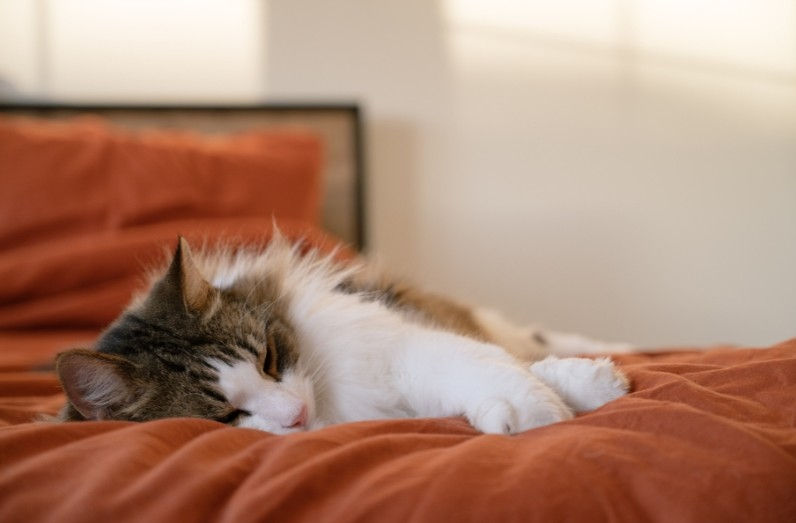
Calming Aids
There are a variety of products that have been clinically proven to help reduce anxiety in cats during stressful situations, including fireworks. Many of them are discussed on this blog, but let's go over some of the post popular options.
Pheromone diffusers mimic the natural facial pheromones that cats use to mark their territory, which creates a sense of safety and security. Since they take several days to work, it's best to plug them in around a week prior to the event. Alternatively, essential oil blends like Pet Remedy have an instant effect.
Calming sprays are another good option, and many diffuser brands like Feliway offer spray versions. These are shorter lasting but usually effective within a few minutes, which is great for a top up or using on targeted areas like beds and cat trees.
Calming treats and natural supplements, such as those containing L-Tryptophan or valerian root, can help to support calmness from the inside. Always consult a vet before giving cats supplements.
Calming collars release pheromones or essential oils continuously and may help some cats to feel more relaxed, but only if they're used to wearing a collar.
You can read reviews of two well-known calming supplement brands here: Calming Supplement Reviews: ZylKene and YuMOVE Calming Care for Cats (Tried and Tested)
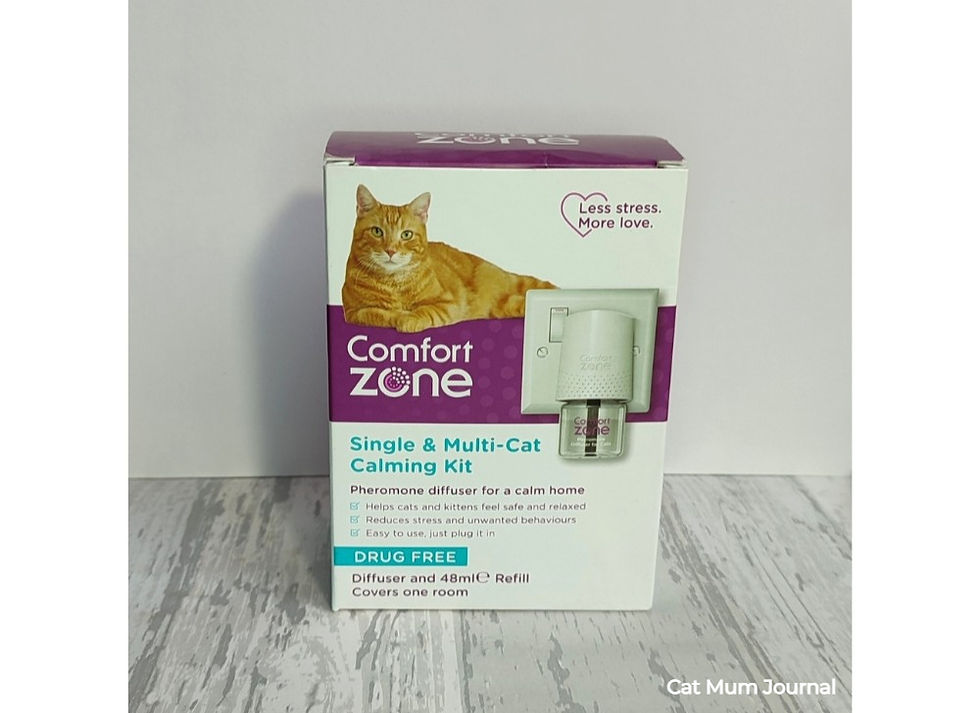 Comfort Zone Plug-In Pheromone Diffuser for single or multi-cat homes. Creates a calm, relaxing environment to help reduce stress and other problem behaviours, as well as tension and fighting between household cats. |
Getting Cats Used to Fireworks
It's possible that cats may become less sensitive to fireworks by slowly desensitising them to the noise. Training involves several steps, starting with playing the sounds of fireworks through a TV or your phone. It should be on a low volume and played for short intervals only.
If your cat seems comfortable and shows no signs of stress, repeat the process a few times a day and gradually raise the volume. Once they're content with loud fireworks, you can start creating positive associations with the noise - also known as counterconditioning.
Give your cat a treat while the sound is playing and then turn it off - this will only work if your cat is non-reactive to the fireworks. Otherwise, you're rewarding them for being scared which creates the opposite effect!
The idea is that, over time, cats will start to associate the noises with a treat and, ideally, look forward to it. You must remember to take it slowly and cease training if your cat gets scared. Desensitisation can work for other loud noises or stressful stimuli, such as nail clipping and travelling.
The PDSA offers a step-by-step guide on desensitisation training for fireworks, as well as creating a DIY safe place here: Cats and Fireworks

Aftercare
Observation is an important part of aftercare so you can check there are no lasting effects. Don't be overly attentive unless your cat initiates it and keep to your normal routine as much as possible. You can offer a snack or treat to take their mind off it.
You should pay particular attention in multi-cat households due to the risk of fear-based conflict erupting. If you think this might be an issue, this post is for you: Redirected Aggression in Cats: Causes and Solutions
If your cat shows extreme fear or trauma such as continuous shaking, immobility, refusal to eat, urinating where they shouldn't or destructive behaviour, consult your vet for advice. They may recommend a prescription medication for anxiety during fireworks or other stressful events.
 Beaphar Herbal Calming Treats contain hop flowers, Melissa and valerian which is known for its calming properties. They help to promote relaxation and reduce the symptoms of stress including scratching and excessive vocalisation. |
Summary
Having a plan of action reduces last-minute stress for both you and your cat. Remember, if fireworks are loud to humans then it might as well be WW3 for cats.
If you're planning on setting off fireworks, whether you own a pet or not, you might want to consider the impact it has on everything else. It's not just domestic animals that suffer, but the many species of wildlife that share our planet. It's not uncommon for animals to flee their habitats, leaving their offspring to fend for themselves.
Use these quick reminders to prepare for upcoming events and festivities:
Planning ahead makes a big difference, so start creating a safe space days before the expected fireworks.
Introduce calming products even earlier, up to a week for diffusers. Use sprays for targeting areas where your cat is likely to withdraw.
Schedule a play session in the afternoon or early evening.
Close windows and doors before the fireworks begin and do not let cats outside.
Fit your cat with an ID tag if it wears a collar and ensure microchip details are up to date.
Remain calm!
Mentioned Products
Pet Remedy Party Season Survival Kit
Woyamay Calming Cat Treats
Rescue Pet Dropper
SEOUGEE Quick Release Cat Collar Personalised
Are you a concerned pet parent? Does your furry react negatively to fireworks? Share your experiences to educate, inform and help out other owners.
Is your pet afraid of fireworks?
0%Yes
0%No


Comments